GIFTMART / Branding

Branding

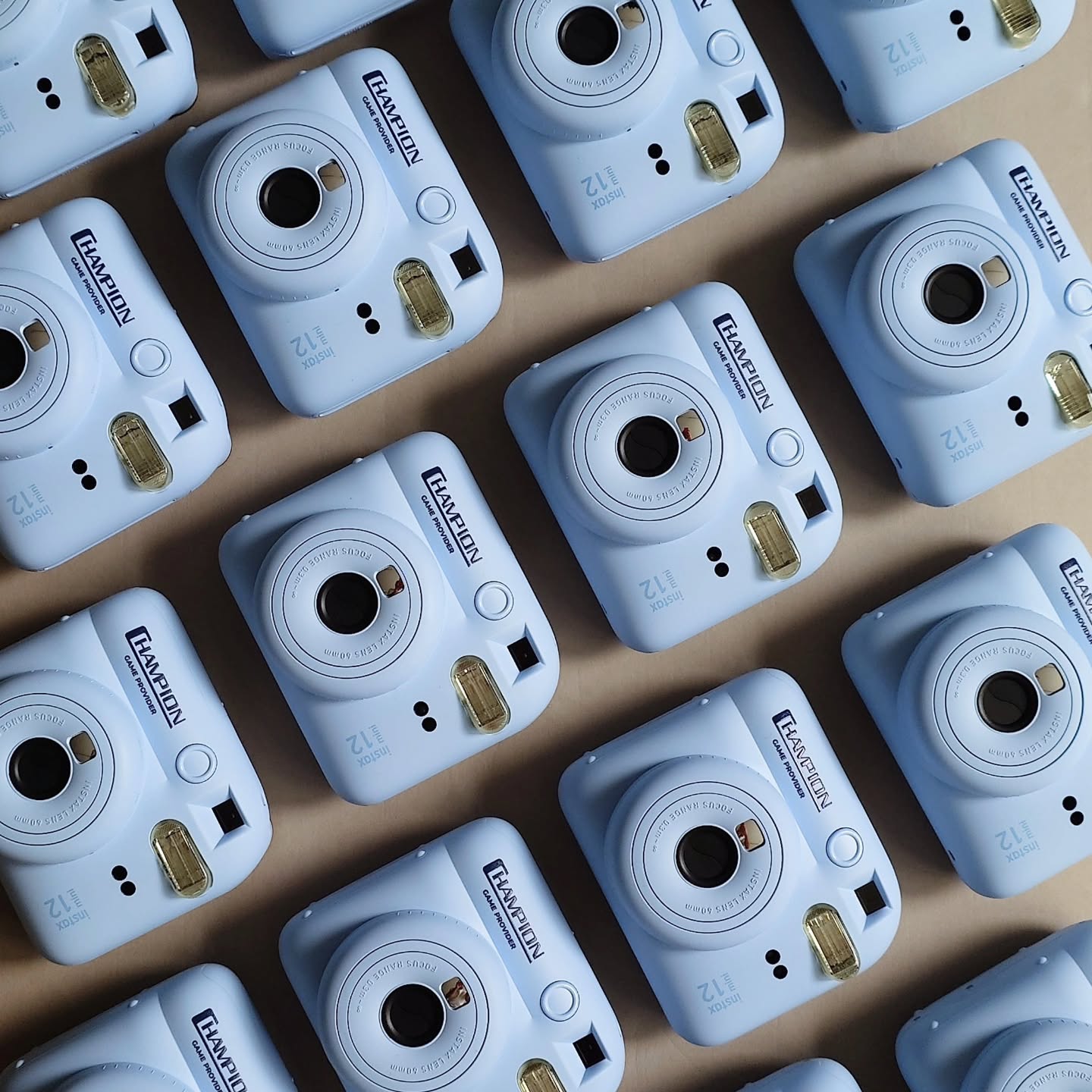
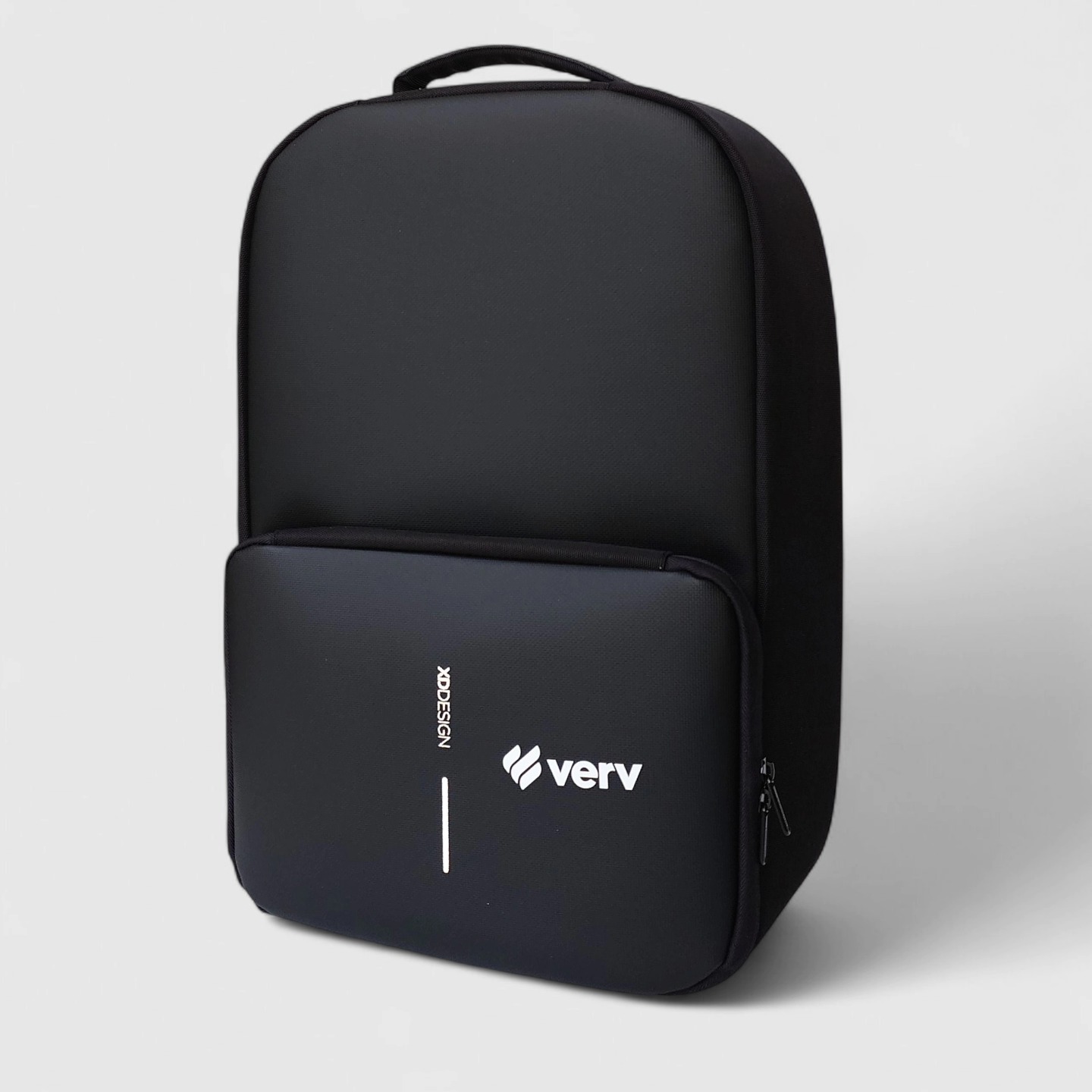
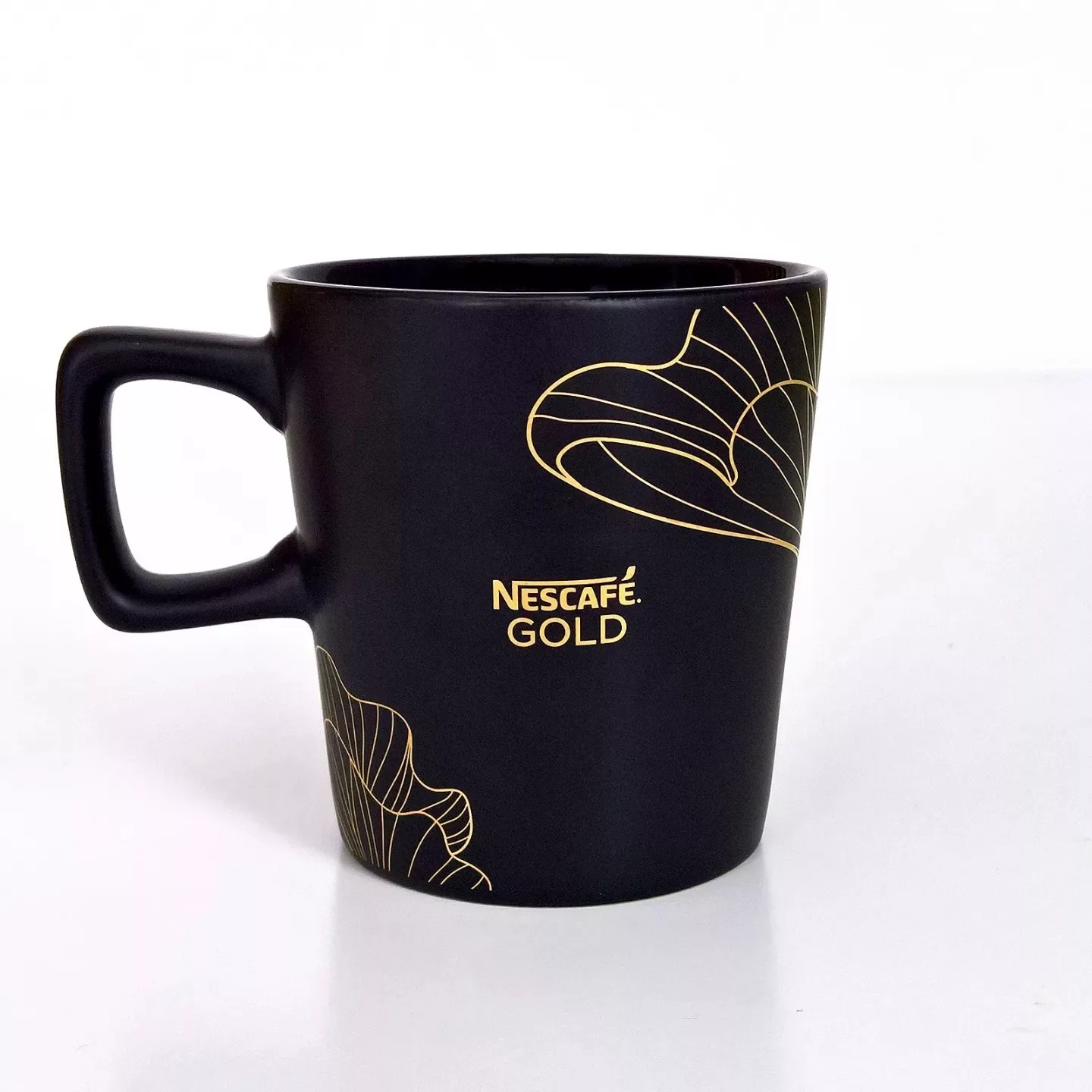
Colour, texture and logo placement shape the character of a corporate gift. Explore branding and personalisation options to find the effect that suits your brand. We will confirm the technique, branding area and artwork details in the quote for your chosen product, material and quantity.

Screen printing

Screen printing

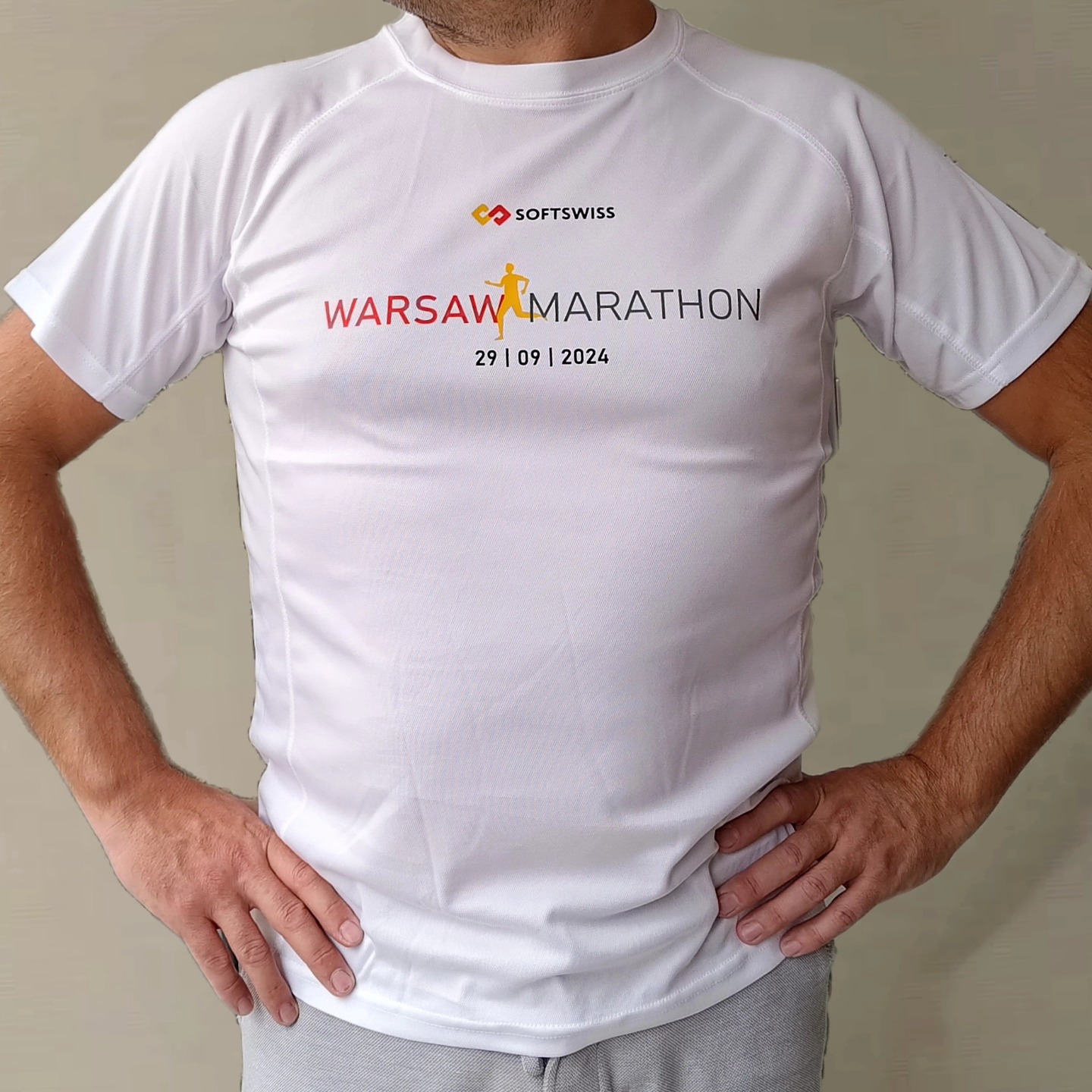
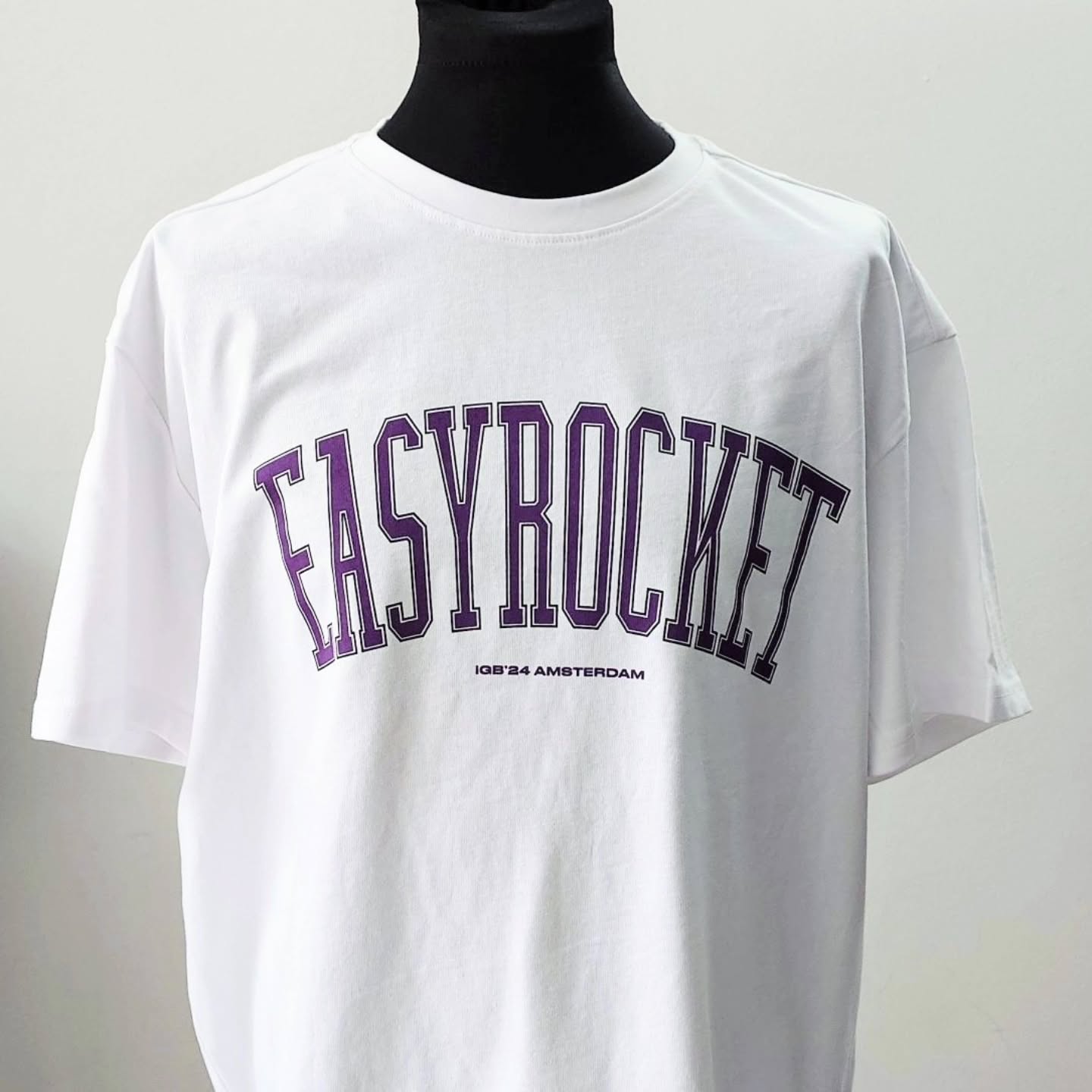
Screen printing brings out the graphic character of a logo through clear shapes, contrasts and solid areas of colour. It suits projects where a recognisable colour palette gives company T-shirts, bags or umbrellas a consistent identity. Each colour is printed separately through a prepared screen.

Example applications
Typical projects include team T-shirts, trade fair bags and umbrellas carrying your logo.
Product details ↗View projects using this method ↗
Pad printing

Pad printing

A compact logo can give even an everyday pen or key ring a clear connection to your brand. Pad printing suits small print areas, including gently curved surfaces. A flexible silicone pad transfers ink from a printing plate to the product, with each colour applied separately. In a small format, a simple symbol and clear lettering help keep the brand recognisable.

Example applications
Examples include conference pens, key rings and selected promotional mugs.
Product details ↗View projects using this method ↗
Laser engraving

Laser engraving

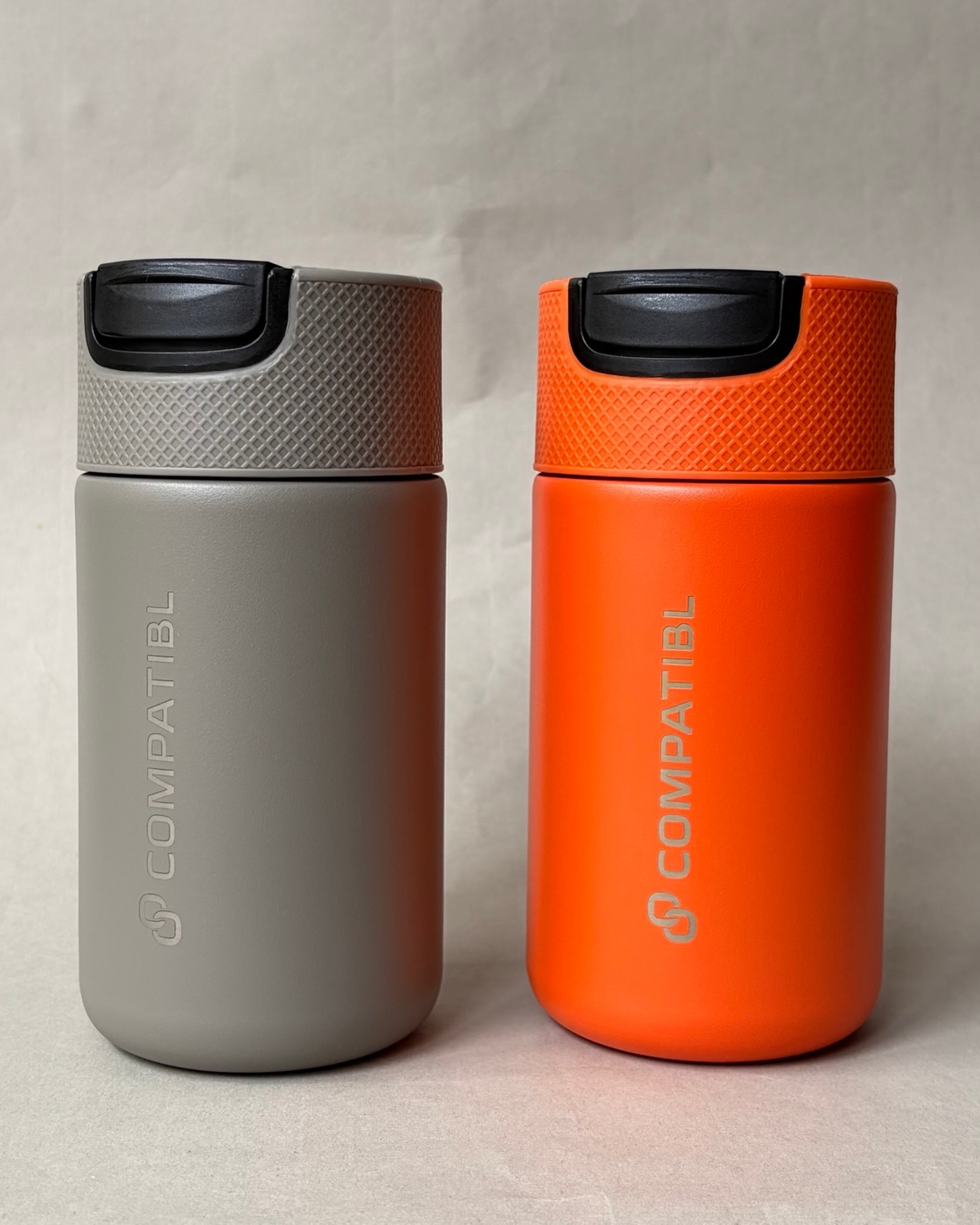
An engraved logo becomes part of the product finish, adding a restrained mark whose character comes from the material itself. It suits understated designs on metal, wood or selected glass items, where the relationship between the logo and the surface matters. The laser alters the surface locally to create a logo or lettering without ink. The material and its finish determine the shade and contrast, making them part of the intended design.

Example applications
Examples include metal pens, wooden boxes and selected glass gifts.
Product details ↗View projects using this method ↗
Embroidery

Embroidery

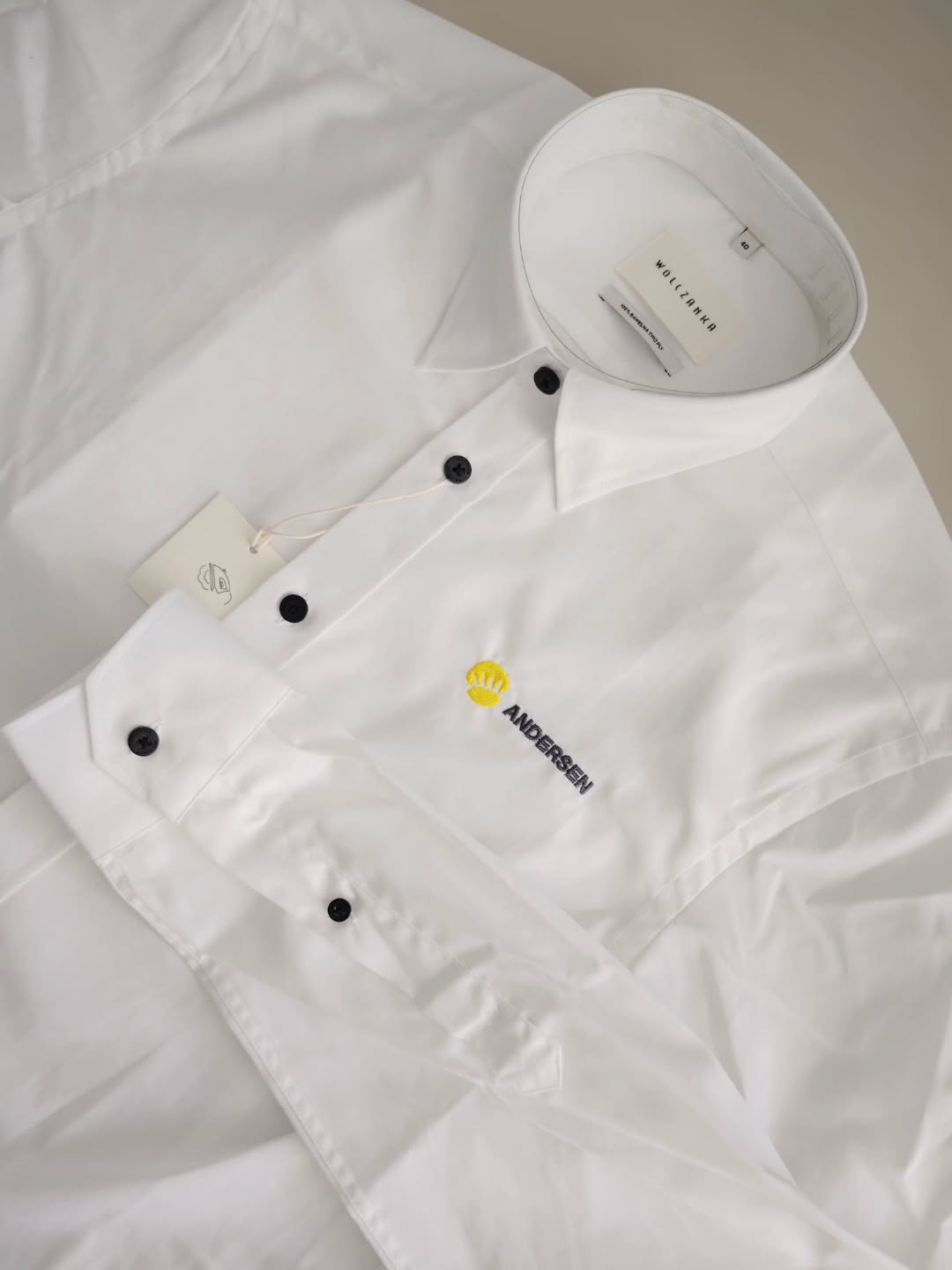
Embroidery adds texture and a gently raised finish to a logo, making it a distinctive detail on company clothing. The logo is formed from coloured stitches. Clear symbols and readable lettering make good use of that effect on a cap, polo shirt or sweatshirt. Small text and very fine lines may need to be simplified or adapted to the stitch pattern.

Example applications
An embroidered logo can be a signature detail on team caps, polo shirts, sweatshirts or bags.
Product details ↗View projects using this method ↗
Heat transfer

Heat transfer

Heat transfer lets a logo or graphic become a prominent feature on company textiles. The design is first printed onto a carrier, then transferred to the fabric using heat and pressure. The technique supports multicolour artwork, from a chest logo to a larger composition on a bag. The specific transfer type is chosen to suit the fabric composition and the intended appearance of the print.

Example applications
Examples include event T-shirts, fabric bags with artwork and company clothing with multicolour logos.
Product details ↗View projects using this method ↗
UV printing

UV printing

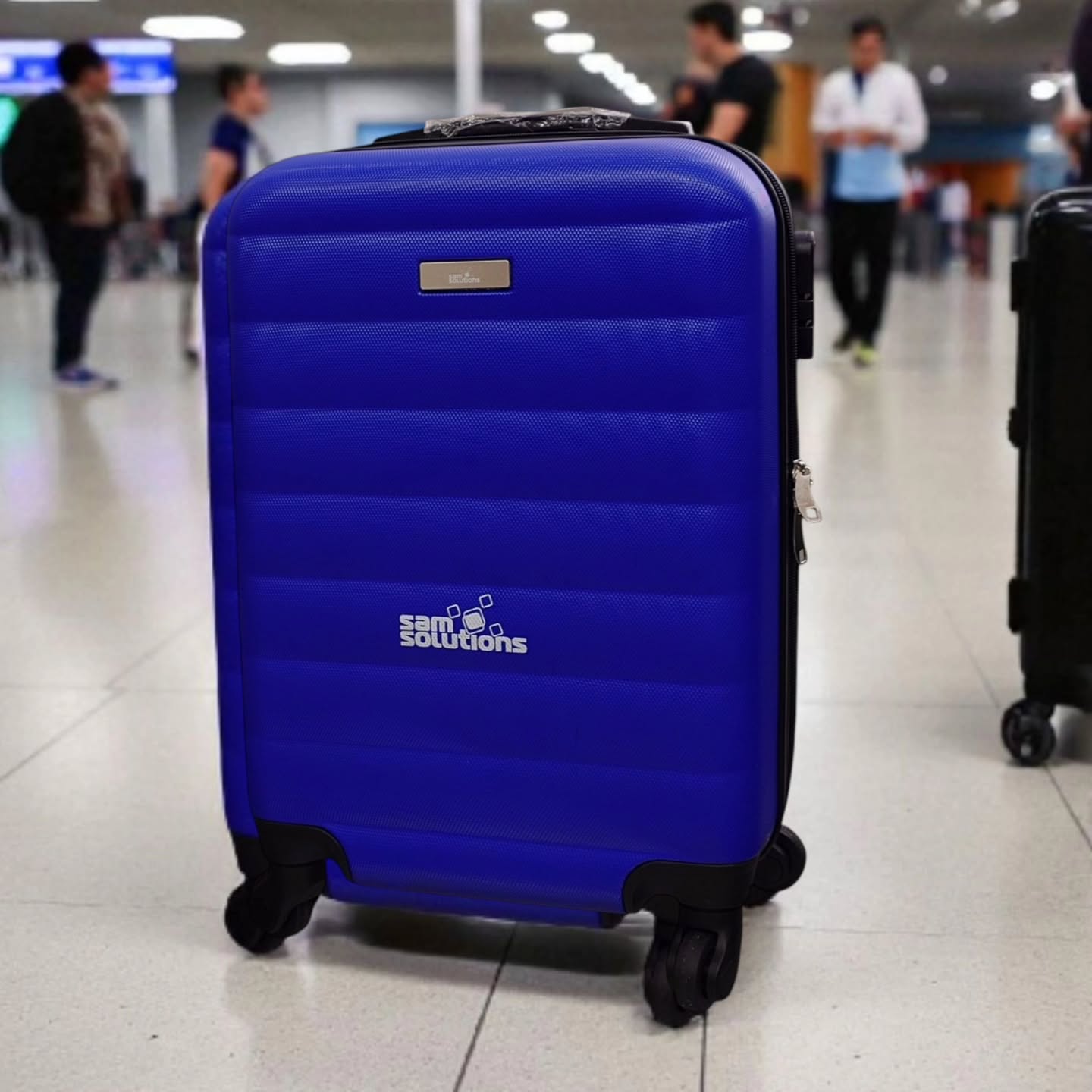
UV printing gives the product surface a role in your brand’s visual identity, with full-colour artwork, illustrations or fine logo details. The design is printed directly onto the item and the ink is cured with UV light. The composition is created for that particular object, whether a cover, a lid or another available print area. It suits projects where imagery and colour help define the gift.

Example applications
Examples include selected suitcases, notebook covers, box lids and promotional product housings.
Product details ↗View projects using this method ↗
Debossing

Debossing

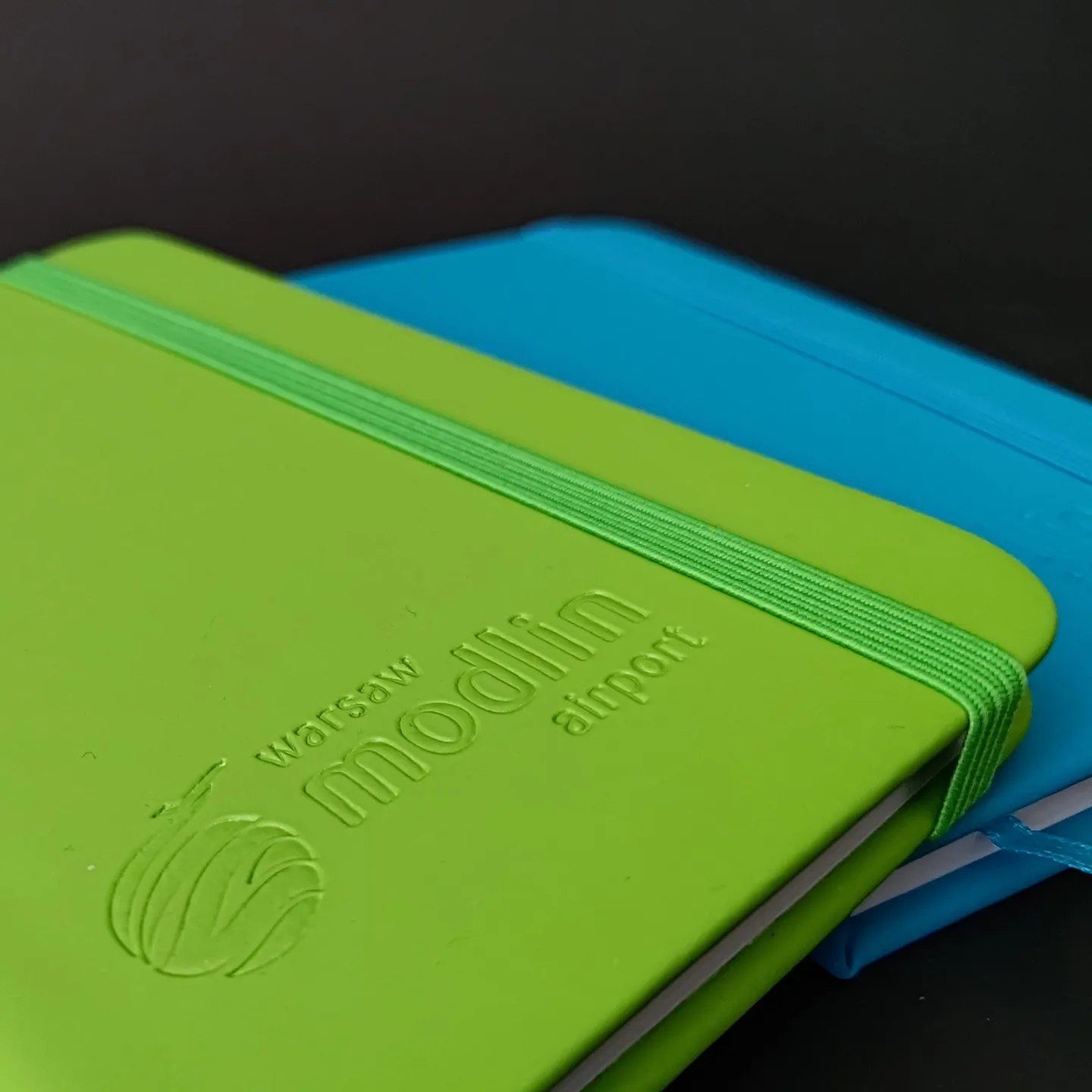
Debossing reveals the logo as a recessed shape, using the surface and the way light falls across it as part of the design. The recessed mark works with the texture of the cover or accessory to create a restrained finish. A die carrying the logo is pressed into the material to form its recessed outline. The proportions of the symbol and the clarity of its details matter, while the thickness and structure of the material influence the finished impression.

Example applications
Typical applications include notebooks, wallets and folders made of leather, PU material or cardboard intended for debossing.
Product details ↗View projects using this method ↗
Printed sticker

Printed sticker

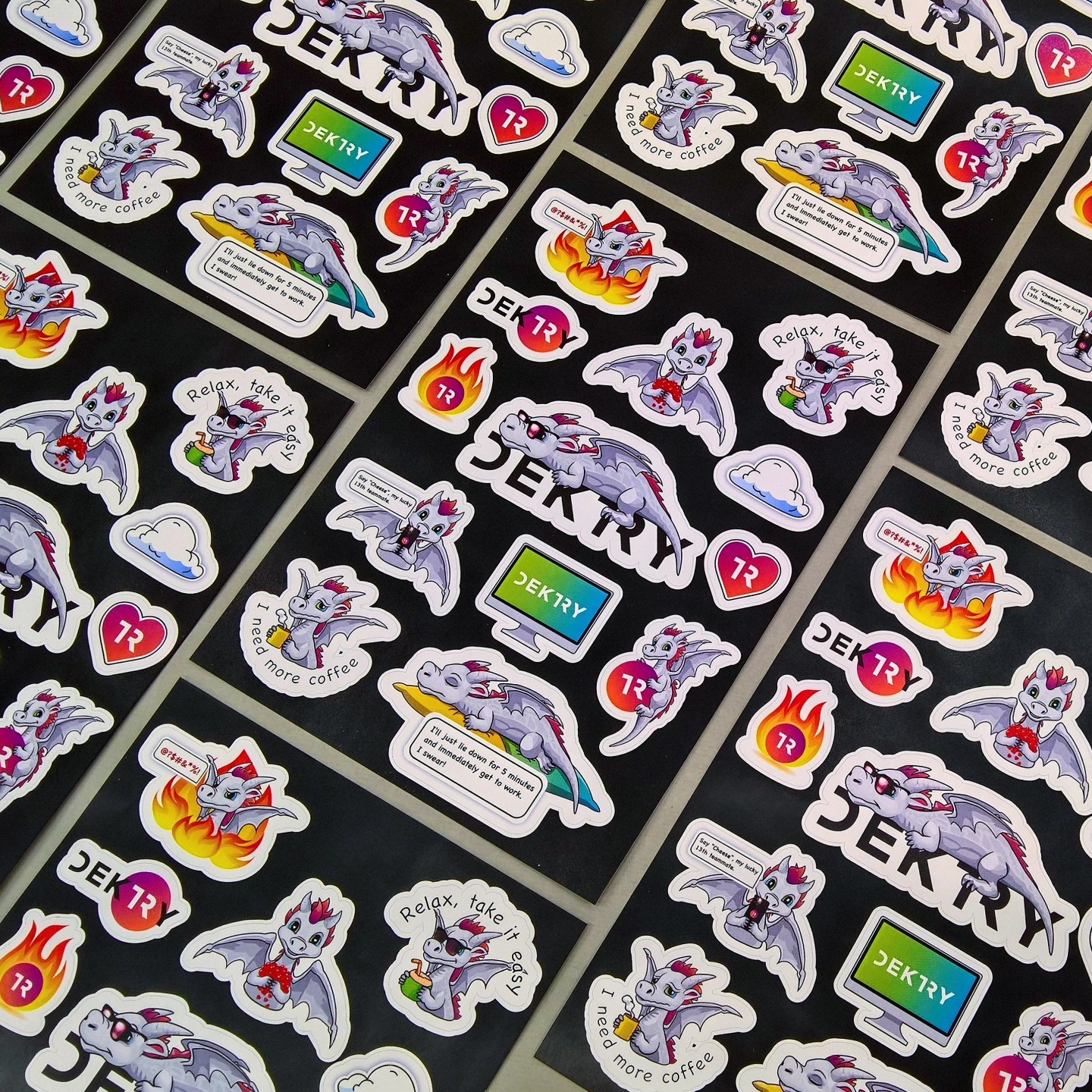
A well-designed sticker can bring the gift, its box and its packaging into one coordinated brand presentation. A logo, brand colour or short message is printed onto self-adhesive material, then cut to the chosen format. The label shape can become part of the set’s overall composition, from a small mark to a more prominent packaging detail. The material and application should suit the surface and the way the product will be used.

Example applications
Logo labels give welcome packs, gift boxes and small promotional items a consistent appearance.
Product details ↗View projects using this method ↗
3D domed sticker

3D domed sticker

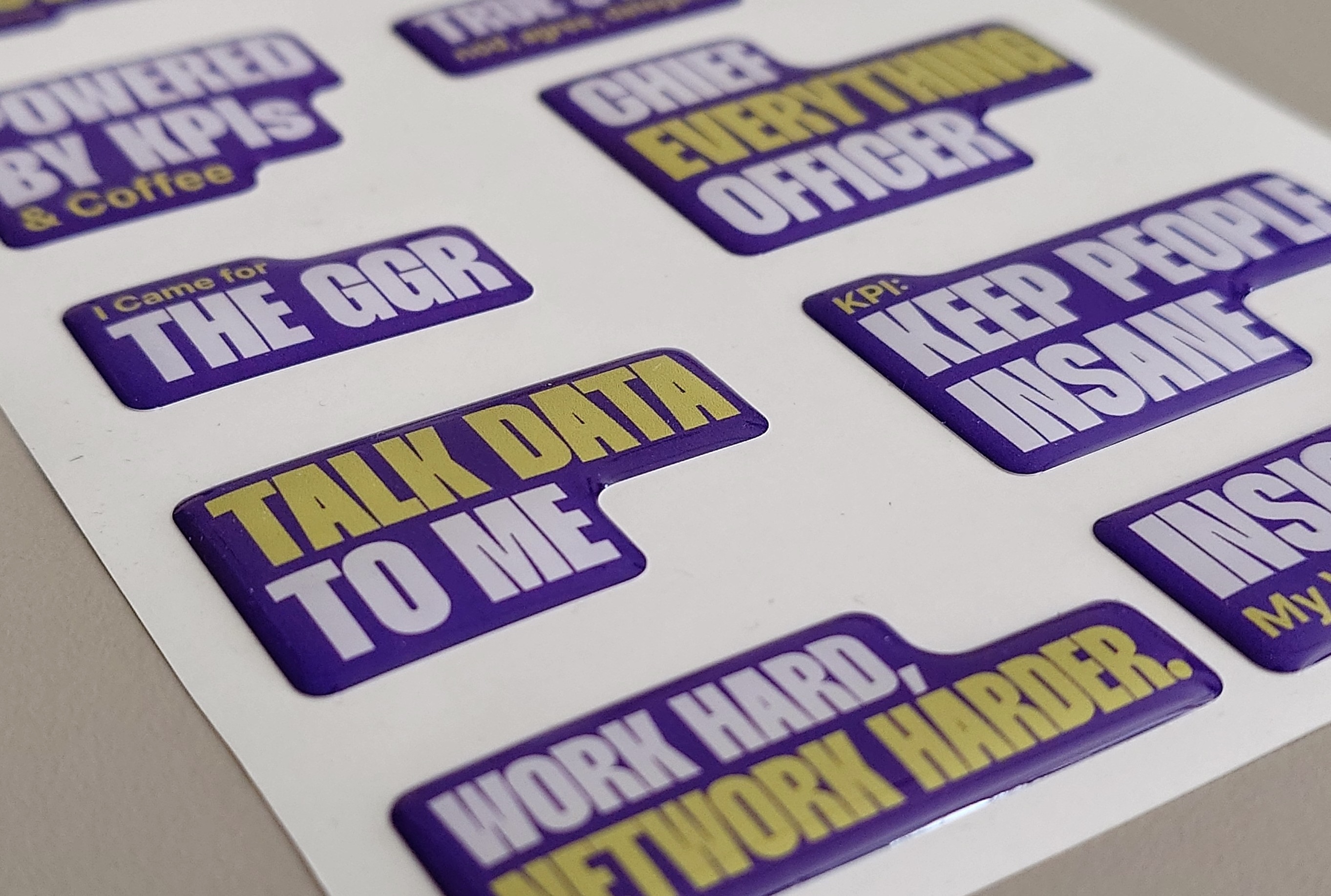
A clear, raised layer gives the logo on a 3D domed sticker visible depth. The effect is created by coating a printed label with resin, forming a dimensional surface above the artwork. This detail gives the logo the character of a small badge on the product and works well with simple, readable designs. A flat area with space around the mark helps give the effect room to stand out.

Example applications
Examples include promotional key rings, device housings and products with a defined flat area for a brand badge.
Product details ↗View projects using this method ↗
Sublimation

Sublimation

With sublimation, a photograph, illustration or colour pattern can become part of the gift’s surface. Heat transfers dye from transfer paper into polyester or a special product coating. The substrate is therefore essential: a textile with the right composition or an item prepared for sublimation. The product’s base colour also influences the appearance of the artwork and should be considered when creating a full-colour design.

Example applications
Applications include white polyester textiles, mugs and other gifts with a coating prepared for sublimation.
Product details ↗View projects using this method ↗
UV-DTF

UV-DTF

UV-DTF can make a multicolour logo a distinctive graphic detail on a mug, container or product housing. The artwork is printed onto an adhesive transfer film with ink cured by UV light. Only the printed design is then transferred onto the object. The technique is intended for hard surfaces, and their shape and the adhesion of the print matter when choosing the specific item.

Example applications
Examples include multicolour logos on mugs, containers and selected promotional product housings.
Product details ↗View projects using this method ↗
Flex heat transfer

Flex heat transfer

Names, numbers and bold lettering give team clothing a shared visual identity while allowing each piece to be personalised. With Flex, the design is cut from coloured heat-transfer film and applied to the fabric using heat and pressure. The print takes its character from clear outlines and the available film colours. The technique suits simple logos, symbols and lettering with clearly defined shapes.

Example applications
Applications include names and numbers on sportswear, lettering on team T-shirts and simple logos on bags.
Product details ↗View projects using this method ↗
Ceramic decal transfer

Ceramic decal transfer

A logo on a cup or mug brings your brand into meetings, the office and everyday routines. Ceramic decal transfer turns the item into a considered part of a corporate set, with the artwork composed for its shape. The design is printed on special paper, transferred onto the product using water, then fixed by firing. This method is used on ceramics or glassware prepared for fired decoration.

Example applications
Examples include mugs, cups, plates and glassware prepared for fired decoration.
Product details ↗View projects using this method ↗
Jacquard woven label

Jacquard woven label

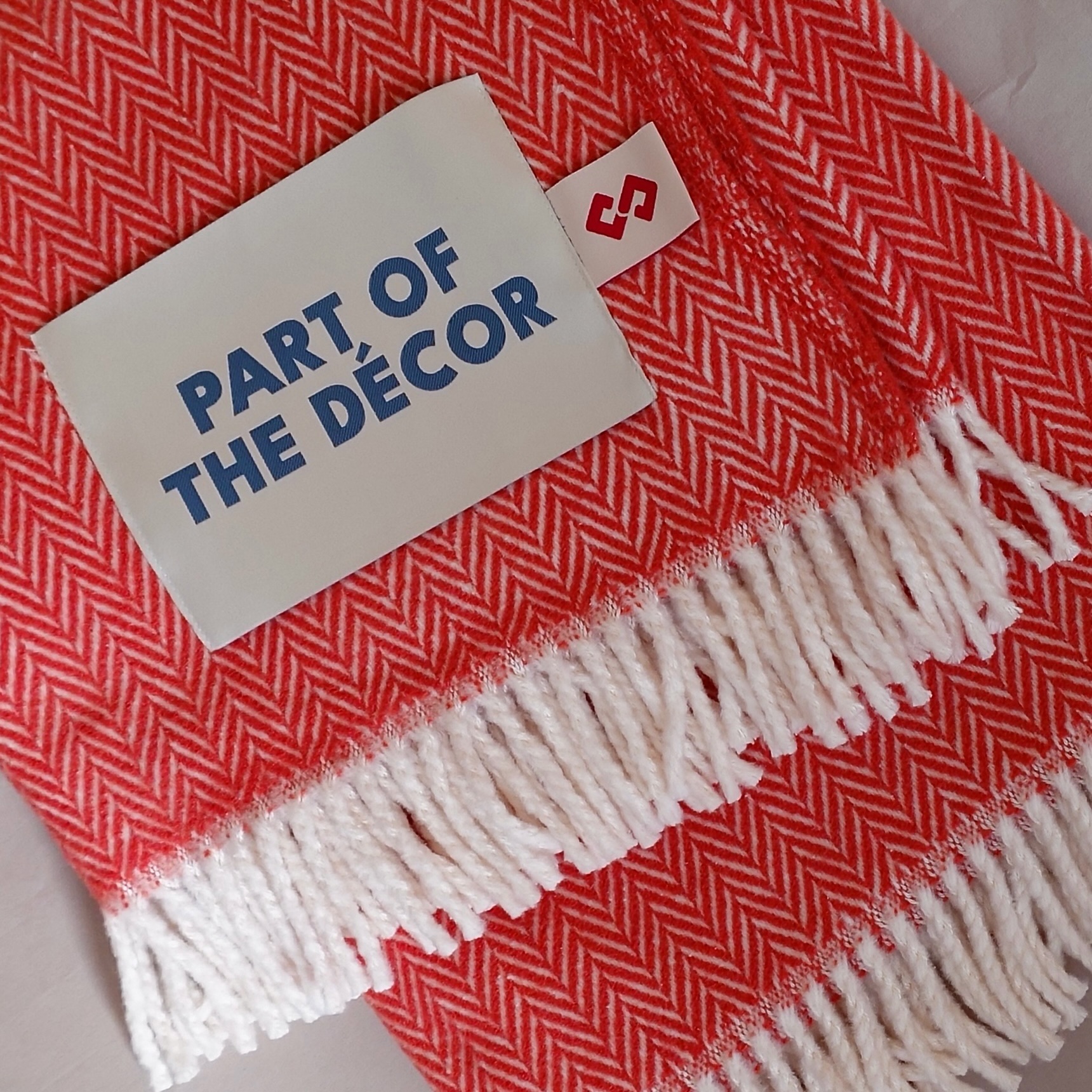
A woven label gives a product a separate textile detail that can sit subtly within the design of clothing, a bag or a blanket. Coloured yarns form the logo during weaving, making it part of the label’s structure. The finished label is sewn onto the product in a position chosen to suit its appearance and use. Its size, colours and the readability of small elements shape the way the brand mark becomes part of the overall design.

Example applications
Logo labels are sewn onto blankets, clothing and bags to create a distinct brand detail.
Product details ↗View projects using this method ↗
Branded pins and badges

Branded pins and badges

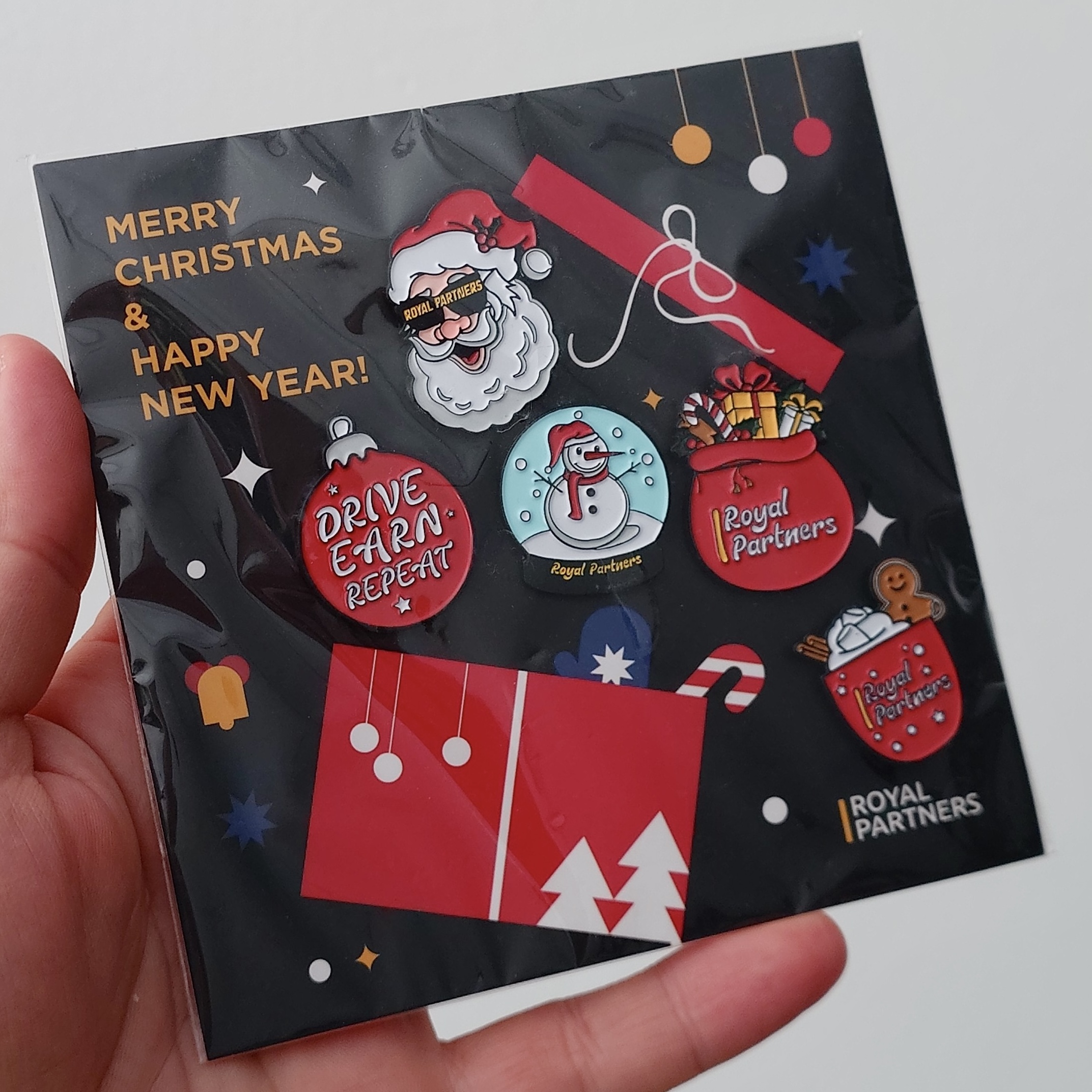
A pin adds a small, distinctive brand detail to team outfits, event packs or corporate gift sets. The design can feature a logo, a short message or an illustration, with a custom outline inspired by a company symbol, campaign theme or seasonal occasion. Its shape, colours and clearly defined details should work with the rest of your brand’s visual identity.

Example applications
Examples include team badges for trade fairs, event packs, employee welcome sets and seasonal corporate gifts.
Product details ↗View projects using this method ↗